
The standard
WCAG 2.1 Level AA. In practice: every image has a text description, every link and button has a name, text has enough contrast, pages work with a keyboard alone, and forms, video and zoom work for people using assistive technology.
Contact Us Now To Learn More About Cloud Solutions

We take city, county, school and college websites to WCAG 2.1 AA, documents included, for one fixed price under your no-bid limit. Population under 50,000? Your date is April 26, 2028.
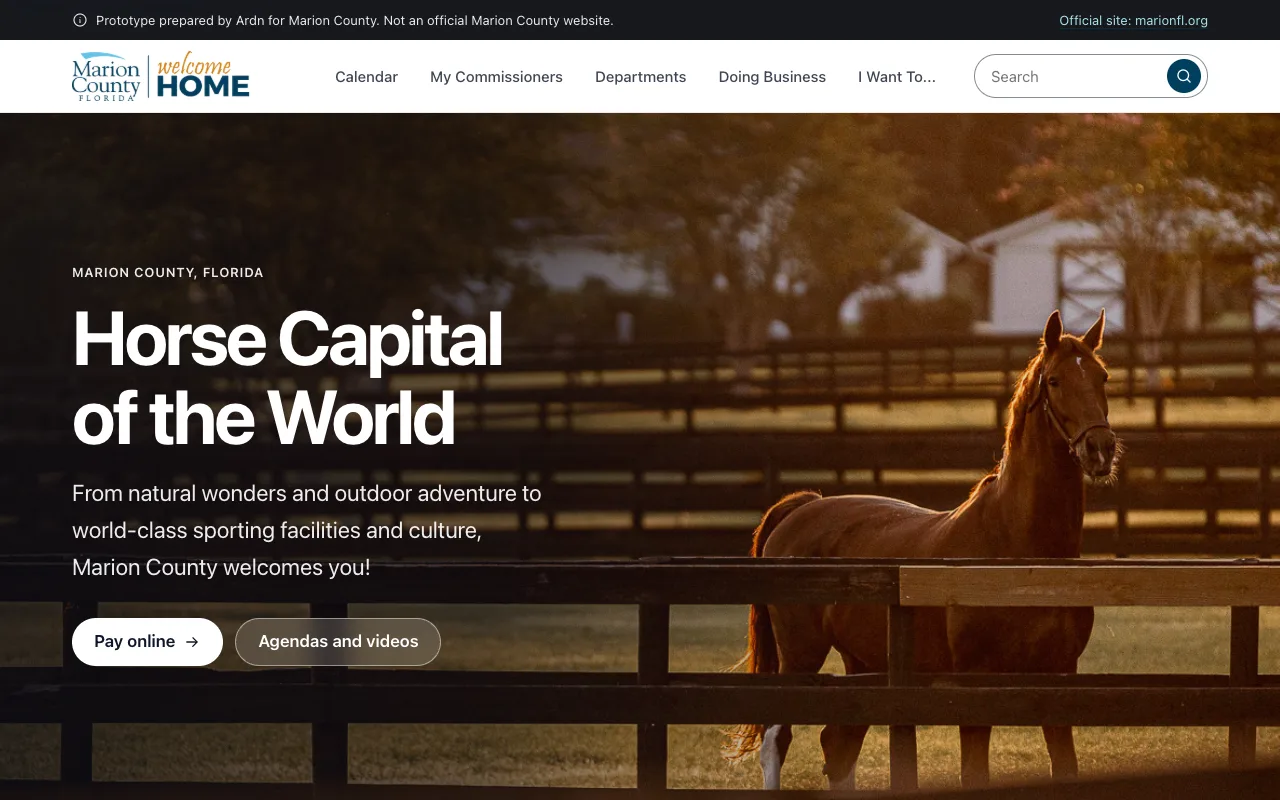
Sample proof built from a county's public home page. Not a client site.
In April 2024 the Department of Justice issued a rule under Title II of the ADA that sets a technical standard for state and local government websites and mobile apps. In April 2026 it moved the compliance dates out by one year. Here it is in plain words.
WCAG 2.1 Level AA. In practice: every image has a text description, every link and button has a name, text has enough contrast, pages work with a keyboard alone, and forms, video and zoom work for people using assistive technology.
Everything you publish on the web and in mobile apps: your main site, department and school pages, online payments, permits, agendas and forms. Content a vendor posts for you under a contract counts too.
PDFs, Word files, slide decks and spreadsheets are web content. Agendas, budgets, applications and forms that people use today must be accessible, not only the HTML pages around them.
Narrow exceptions only: true archives that meet every archive condition, documents posted before your date that nobody uses to get a service, content the public posts, individual password-protected records, and older social media posts.
| Your entity | Comply by |
|---|---|
| Total population 50,000 or more | April 26, 2027 |
| Total population under 50,000 | April 26, 2028 |
| Special district governments | April 26, 2028 |
Sources: U.S. Department of Justice, Fact Sheet: New Rule on the Accessibility of Web Content and Mobile Apps (opens in a new tab); Small Entity Compliance Guide (opens in a new tab); and the Interim Final Rule, Federal Register, April 20, 2026 (opens in a new tab). This page is general information, not legal advice.
Most vendors start with a long audit. We start by showing you your own home page, fixed.
We scan your home page and four key resident pages with axe, the open-source testing engine used by many accessibility tools, at phone and desktop widths.
We rebuild your home page in your own brand, photos and words with zero automated failures, so you can see the result before you spend anything.
Automated and manual testing of your templates, top pages and documents: keyboard, screen reader, zoom and contrast. You get a prioritized list, not a 400-page report.
We fix the source: templates and components first, because one fix repairs every page that uses it, then pages and documents in priority order, in your current CMS.
Monthly scans catch new problems as staff publish, and a compliance report shows your progress in a form you can hand to leadership or counsel.
Overlay and toolbar products, such as those sold by UserWay, AudioEye and Recite Me, add a script that changes how a page looks or reads once it loads. Residents may find the toolbar handy. But the rule asks for the content itself to conform to WCAG 2.1 AA, and an overlay leaves the content as it is.
| Question | Overlay widget | Remediation by Ardn |
|---|---|---|
| Changes the code residents actually use | No. It adds a script on top of the page. | Yes. Templates, pages and components fixed at the source. |
| Fixes PDFs and other documents | No. | Yes. Tagged, ordered and described. |
| Works if the widget script fails to load | No. | Yes. Nothing to load. |
| Clears automated WCAG failures | Failures remain. One city site we scanned this month had 62 across five pages with a widget running. | Zero on both sample rebuilds below, at 375px and 1280px. |
| Meets the rule's standard | Not by itself. The rule asks for conforming content. | WCAG 2.1 AA, verified page by page. |
In 2025 the Federal Trade Commission ordered one overlay vendor to pay $1 million over claims that its tool could make any website compliant. If you already pay for a widget, you can keep it; just don't count on it for the rule.
Three packages, each set just under a common purchasing line. Year one, monitoring included. Page and document counts are agreed in a written scope before you sign, and the price is fixed for that scope.
Smaller sites, or a first phase that fixes the most traffic fastest.
Most city, county and school district sites, documents included.
Large cities, counties, districts and colleges with many departments.
Purchasing rules differ by state and entity. Check your own thresholds; we will send a written fixed quote, a W-9 and a scope you can attach to a purchase order.
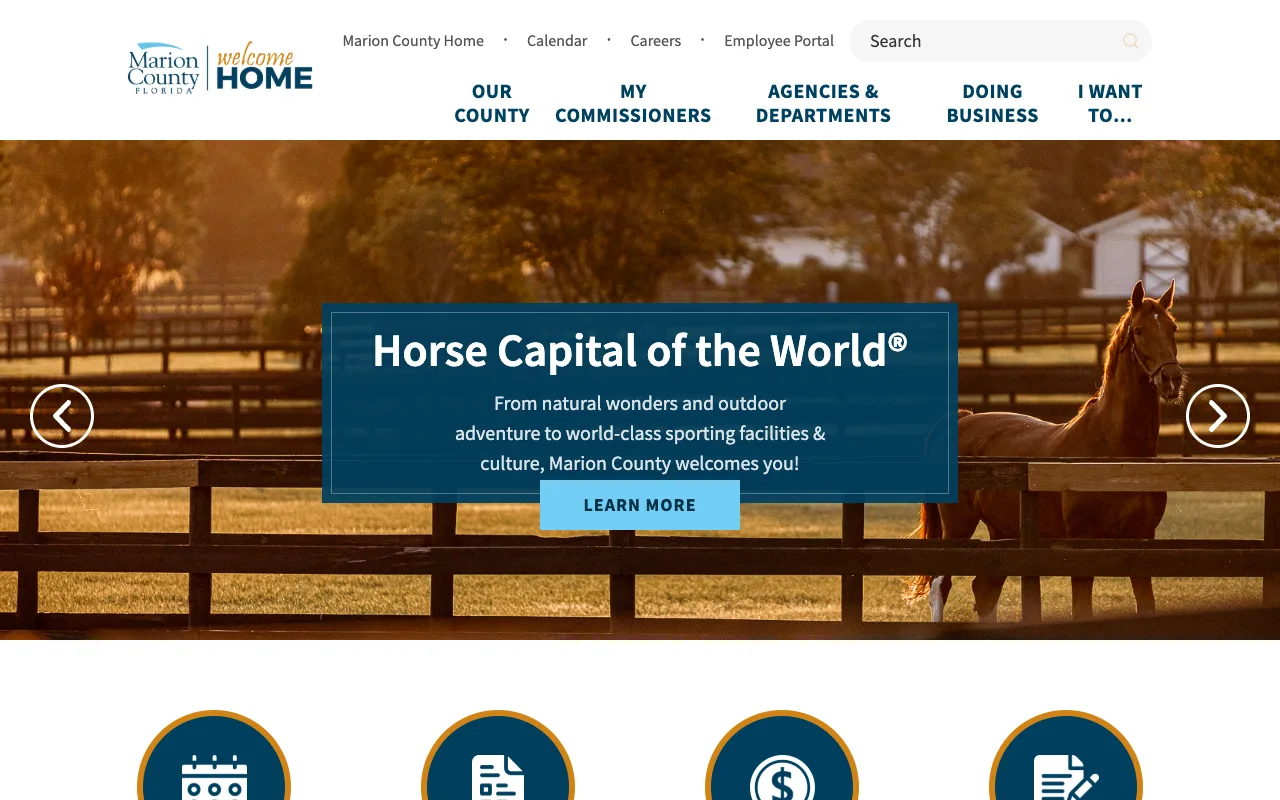
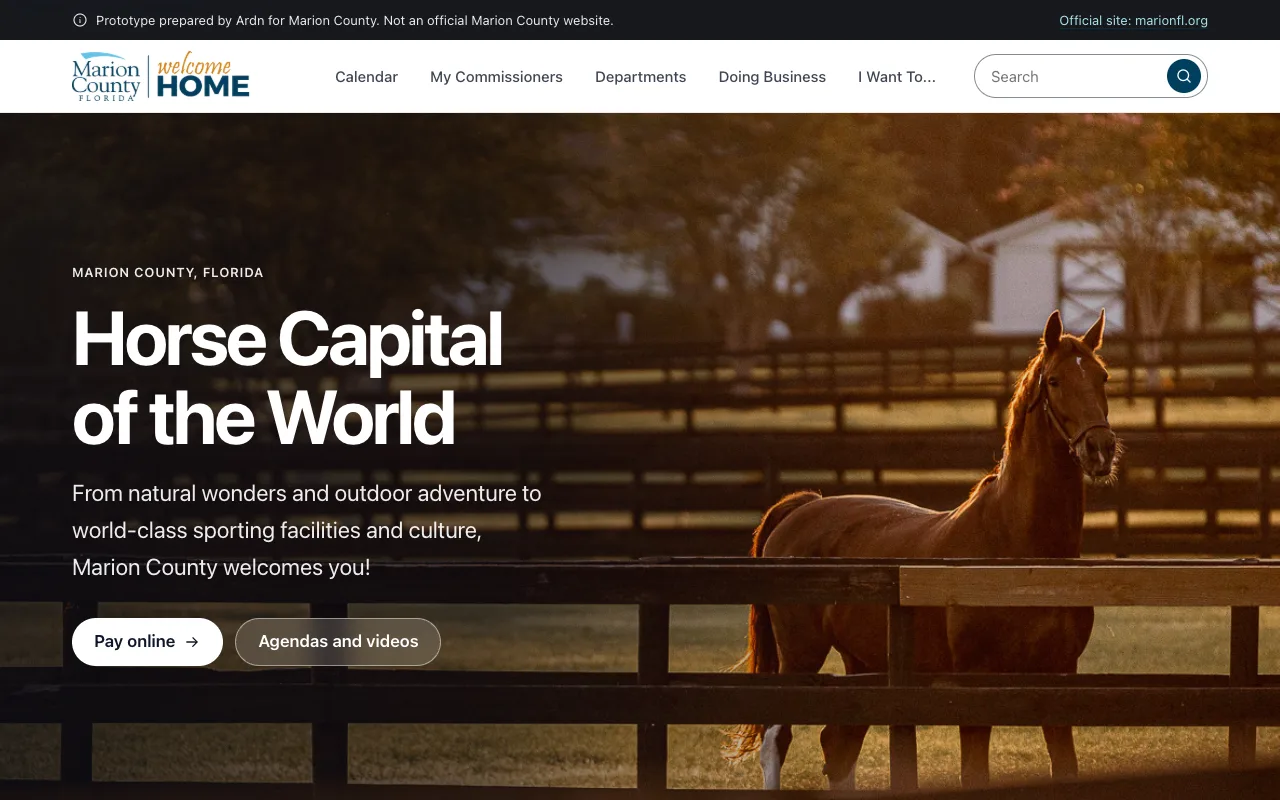
This is the proof we send each entity: their live home page today, next to the same page rebuilt in their own brand, photos and words with zero automated failures. Your own version is linked in our email.
County home page
City home page
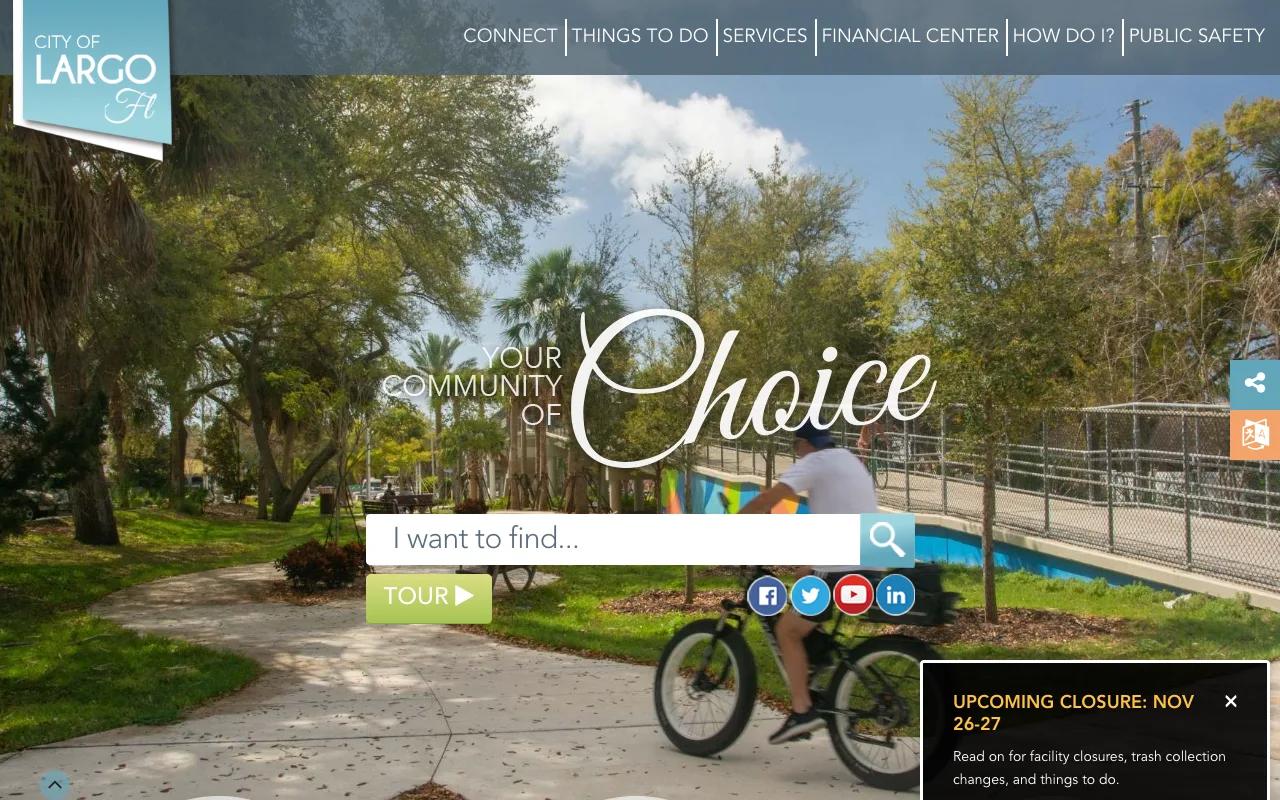
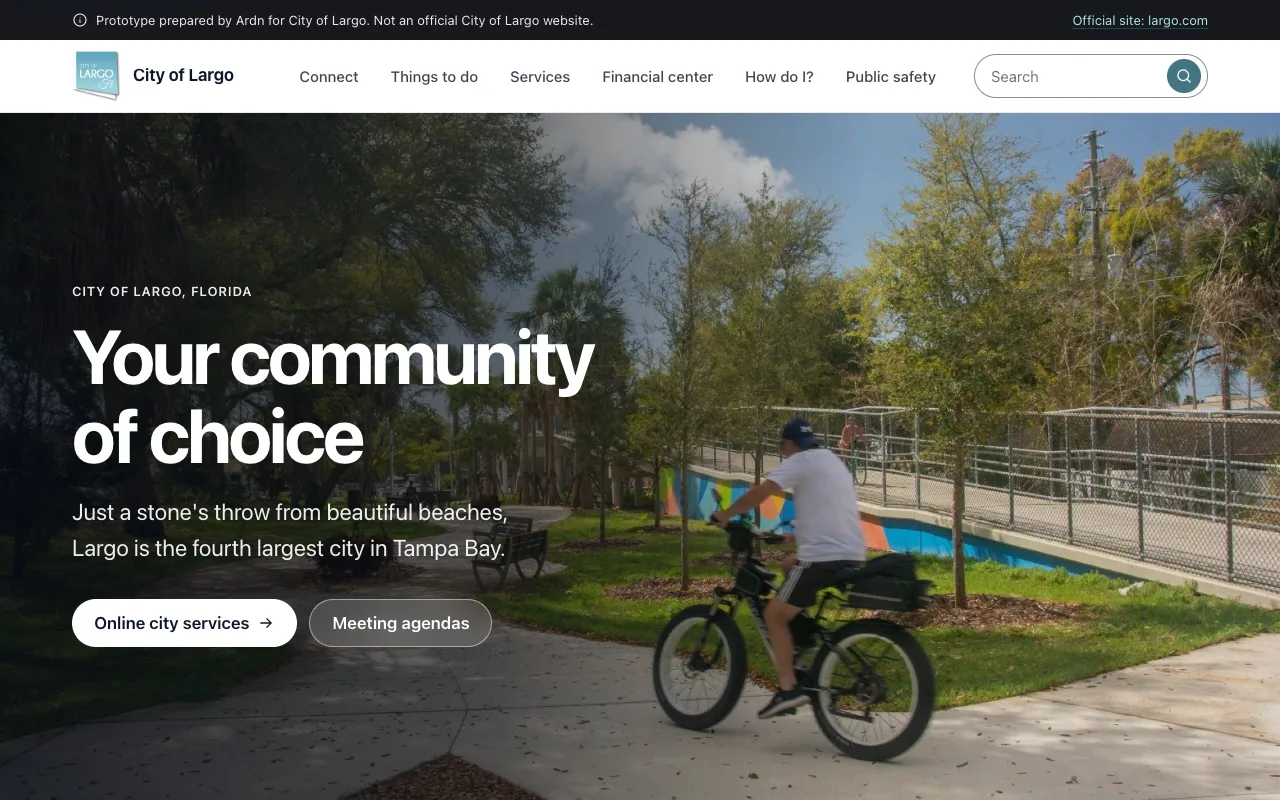
Sample proof. We built these on our own initiative from each entity's public website to show the method. Neither entity is an Ardn client, and neither sample is an official government website.
Send your website address. We scan your home page and four key pages with axe and send you the results with plain-language notes.
We will walk through your scan, your rebuilt home page and the package that fits your purchasing line. No slides, no pressure.